Conservation of Energy: Bernoulli’s Principle and Venturi Effect
Applications of Bernoulli’s Principle and Venturi Effect
| Bernoulli's Principle | Venturi Effect |
|---|---|
Looking at the applications of Bernoulli’s principle, we have airfoils or plane wings generating lift, chimneys sustaining combustion for a fireplace. Plane wings generate lift by having air travel faster over the wing which creates a low pressure zone or a lift on the foil. Fireplaces cause the air to heat up and change density to rise. This air rising increases velocity and creates a low pressure area to bring oxygen into the fire to continue burning. Firefighters also use Bernoulli’s principle to have a powerful jet stream from hoses, and to hydraulically vent a burning building. The narrowed opening on a hose allows the fluid inside to speed up, and firing the hose through an opening in a smoky building creates a low pressure zone which pulls out the smoke. |
The Venturi effect is used in many real life applications such as carburetors and paint guns. Carburetors are used to ensure your engine gets the correct mix of air and fuel. Paint guns also push air through a small opening, increasing speed, and creating a pressure drop which causes vacuum that draws in more paint. Another huge application of the Venturi Effect is in designing cars. While all cars use the Venturi effect, race cars use it to maximize downforce which increases control of the car. Essentially the underbody of the car has passages that narrow, increasing velocity of the air that passes through, which creates a pressure difference that actually pulls the car closer to the ground.
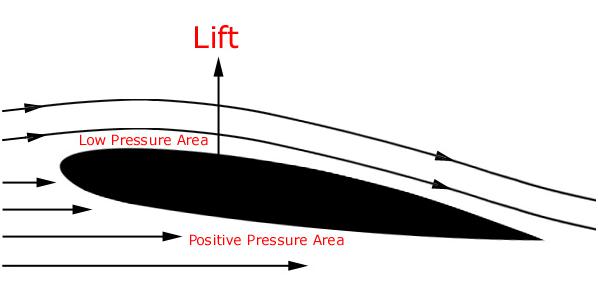 Air Foil Pressure Difference [1] | 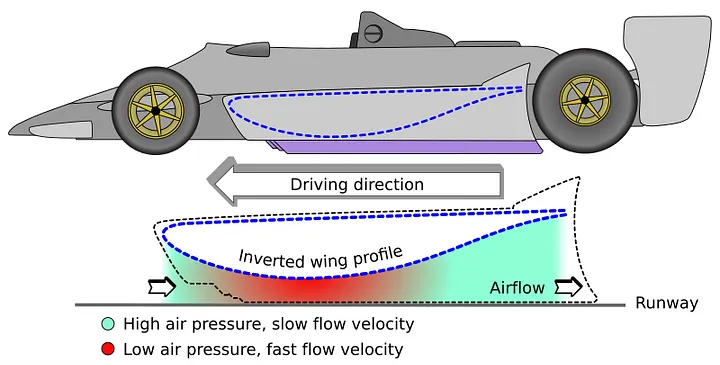 Venturi Effect on F1 Car [2] |
Radon Reduction Systems
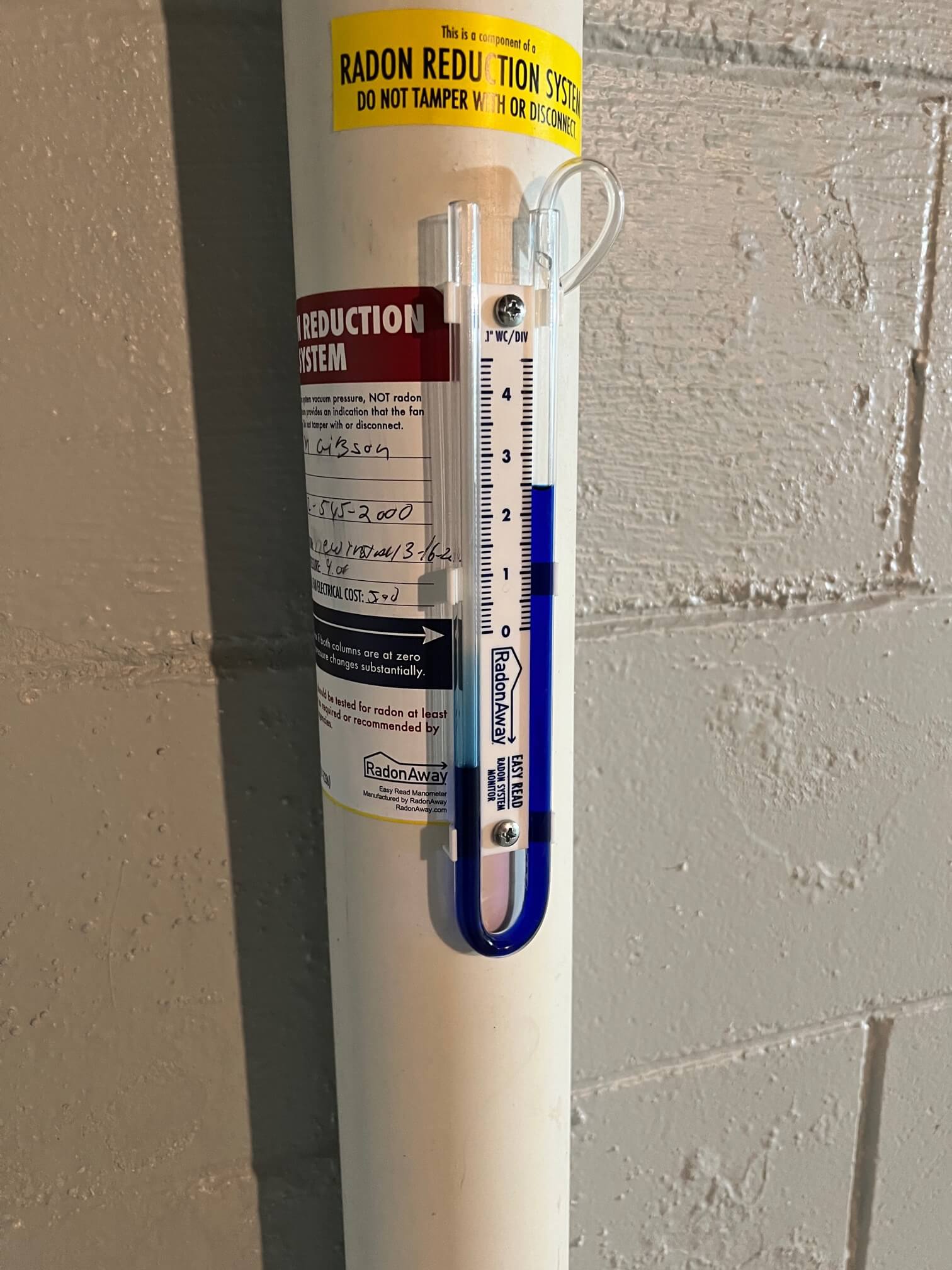
A radon reduction system is a system commonly built in homes to reduce the amount of radon gas accumulation. In certain parts of the US such as the upper midwest and parts of the northeast where there are geological uranium levels in the soil, there will be radon present. Radon is dangerous because it is an odorless, invisible gas that seeps through the foundation of structures. Radon reduction systems are important because radon, a radioactive gas, is the second leading cause of lung cancer after smoking. Radon is responsible for over 20,000 lung cancer deaths annually. Radon reduction systems aim to keep levels below 4 pCi/L and ideally at 2 pCi/L. To reduce radon levels, an Active Soil Depressurization system (ASD) is installed. An ASD is simply a small network of pvc ventilation pipes that extend from the basement to the roof, where the radon gas is collected and expelled respectively. It uses a specially designed fan, usually located in the attic or right before the exit, to wick radioactive air from the basement. In order to make sure the system is working properly, there are two types of monitoring systems. The passive monitoring system consists of a manometer u-tube and an active monitoring system. A manometer is installed before the radon fan to show that the pvc ventilation system is under vacuum pressure. If the system is working properly, the manometer fluid levels should read at two different heights. [4]
Passive Monitoring System [4]
Historical Background
Daniel Bernoulli was partly inspired to study fluid flow while working as a physician in the 1720’s. He studied William Harvey’s work with defining the heart as a pump that circulates blood through the body. He later punctured a pipe that had fluid flowing through it with a straw, and observed that the fluid traveled through the straw at a level that was related to the pressure of the pipe at that point. [3]

Project Description
To demonstrate Bernoulli’s Principle, we have created tubes with varying cross sectional areas to show conservation of energy and how changing the path air flows in, can result in different pressures and velocities. The full form of Bernoulli’s Equation can be seen below. Since there isn’t a significant height difference in the tube path, the tubes follow this simplified version of the Bernoulli Equation, which can also be seen below.
Full form of Bernoulli’s Equation
Simplified Form for Calculations
Video of Project
Materials
| Item | Quantity (Required) | Image of Part | Link | Price |
|---|---|---|---|---|
| Manometer | 1 |  | Part | $13.95 |
| 10ft 5/16 Acrylic Tubing | 1 | 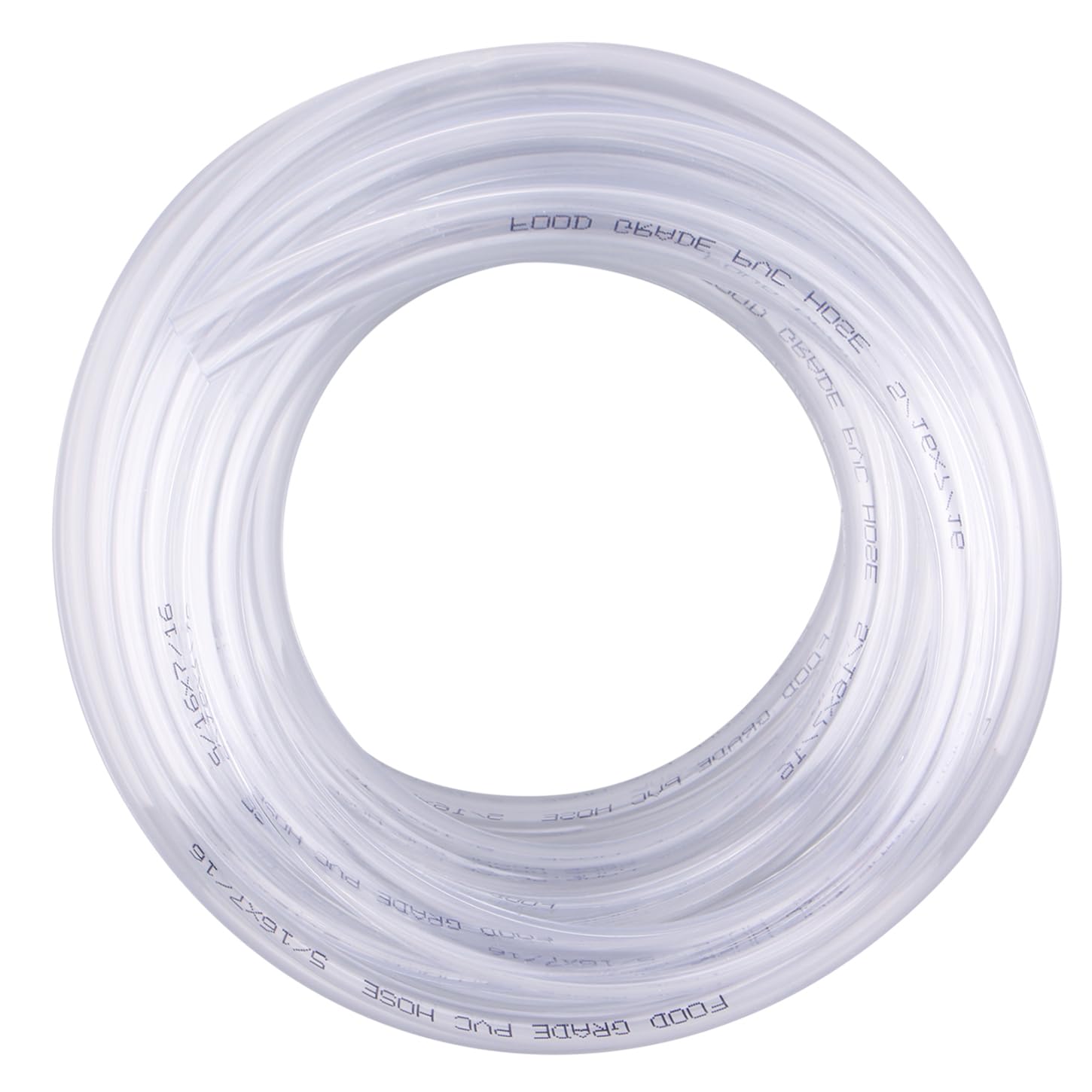 | Part | $8.69 |
| Mattress Air Pump | 1 | 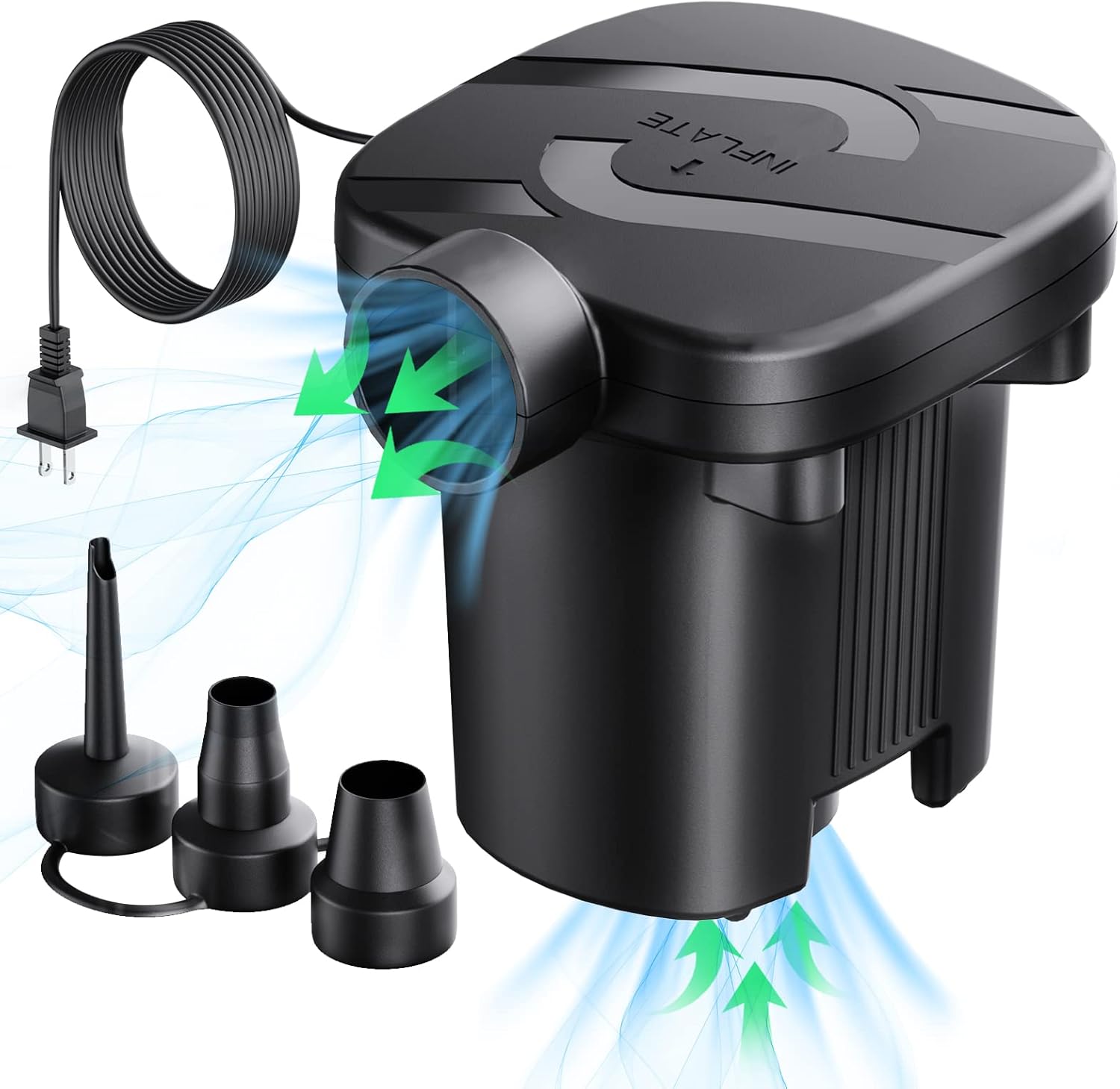 | Part | $8.98 |
CAD Files for Venturi Tubes
| Part Name | Quantity Needed | Part Picture |
|---|---|---|
| 2:1 Venturi Tube | 1 | 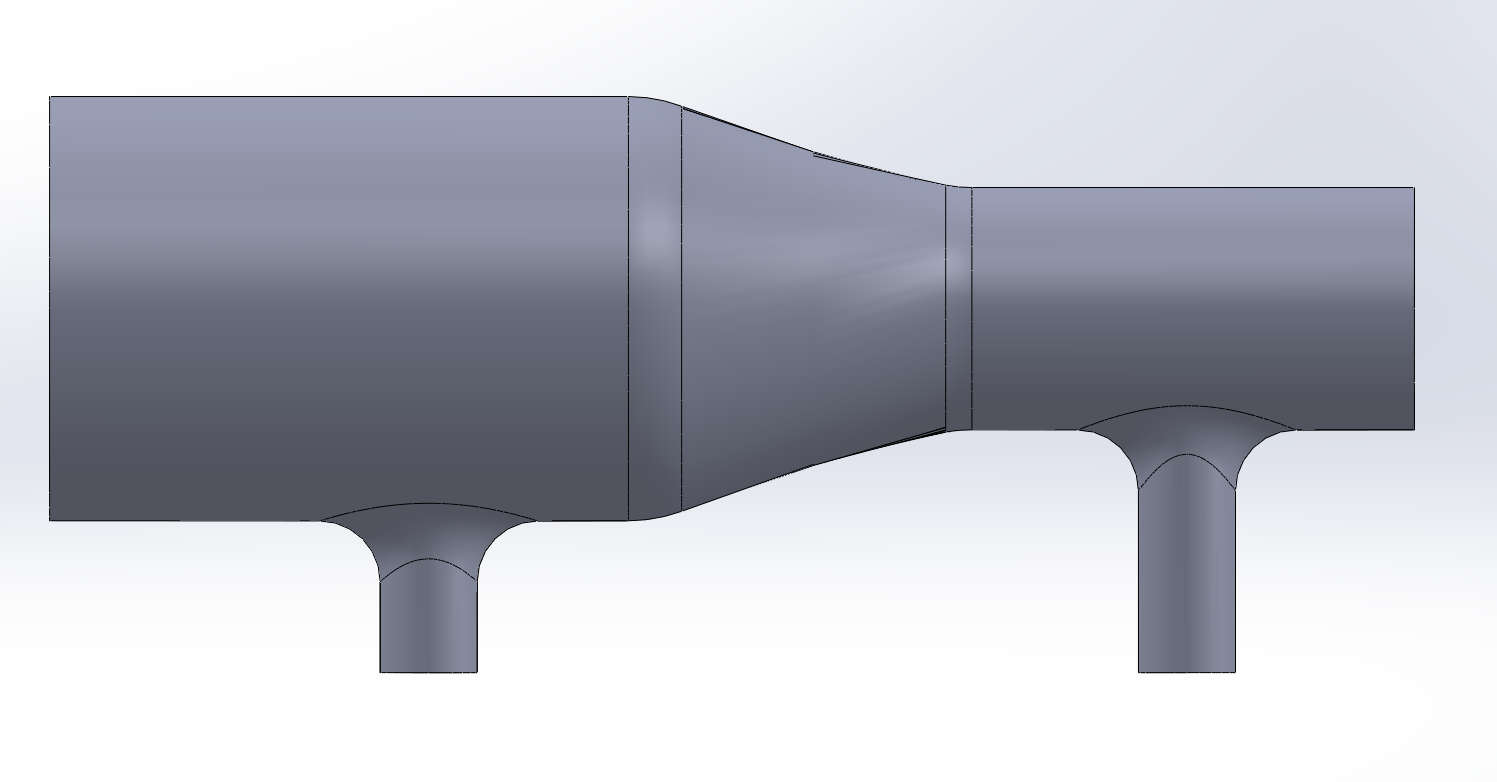 |
| 3:1 Venturi Tube | 1 | 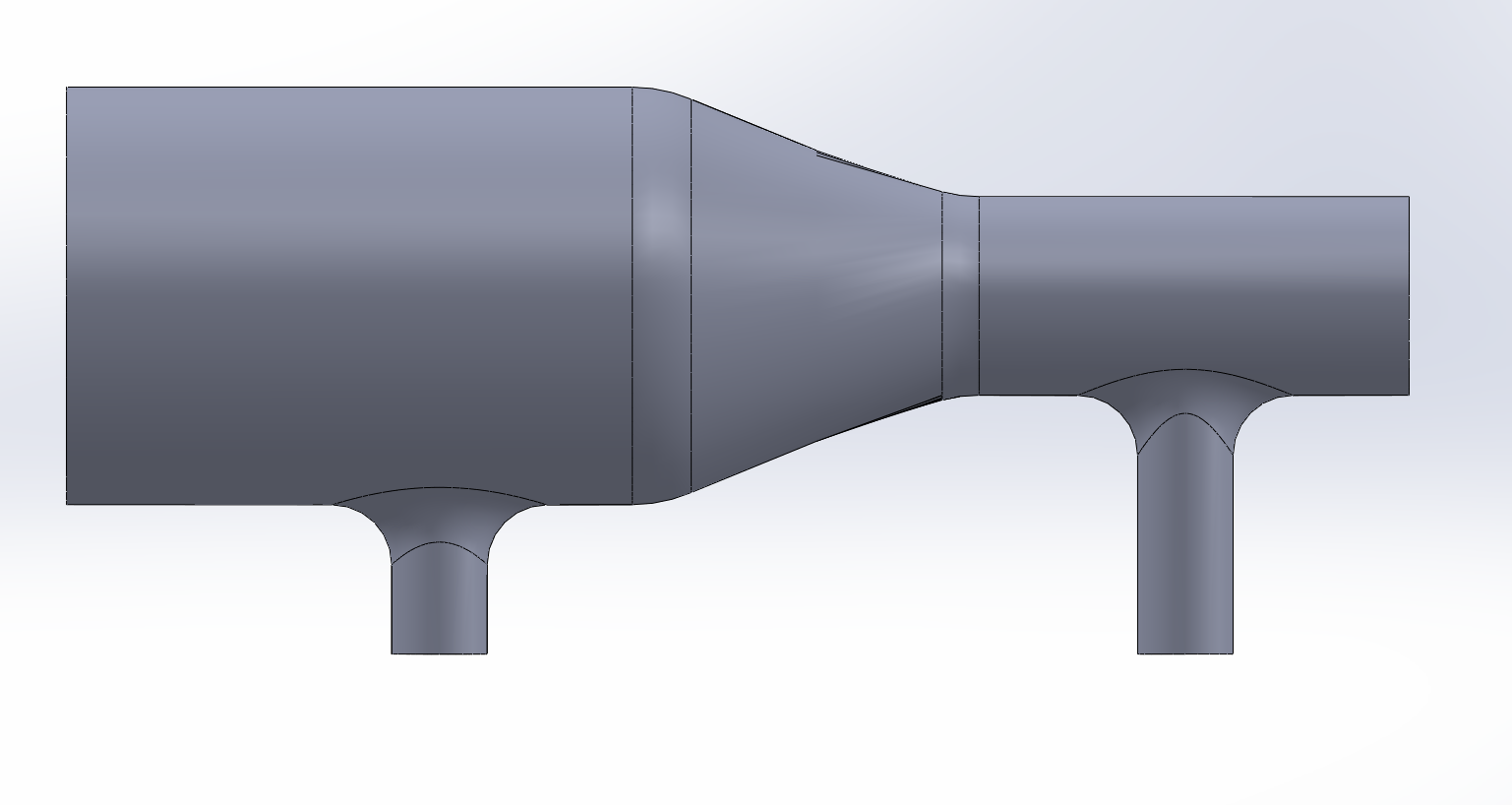 |
| Nozzle | 1 | 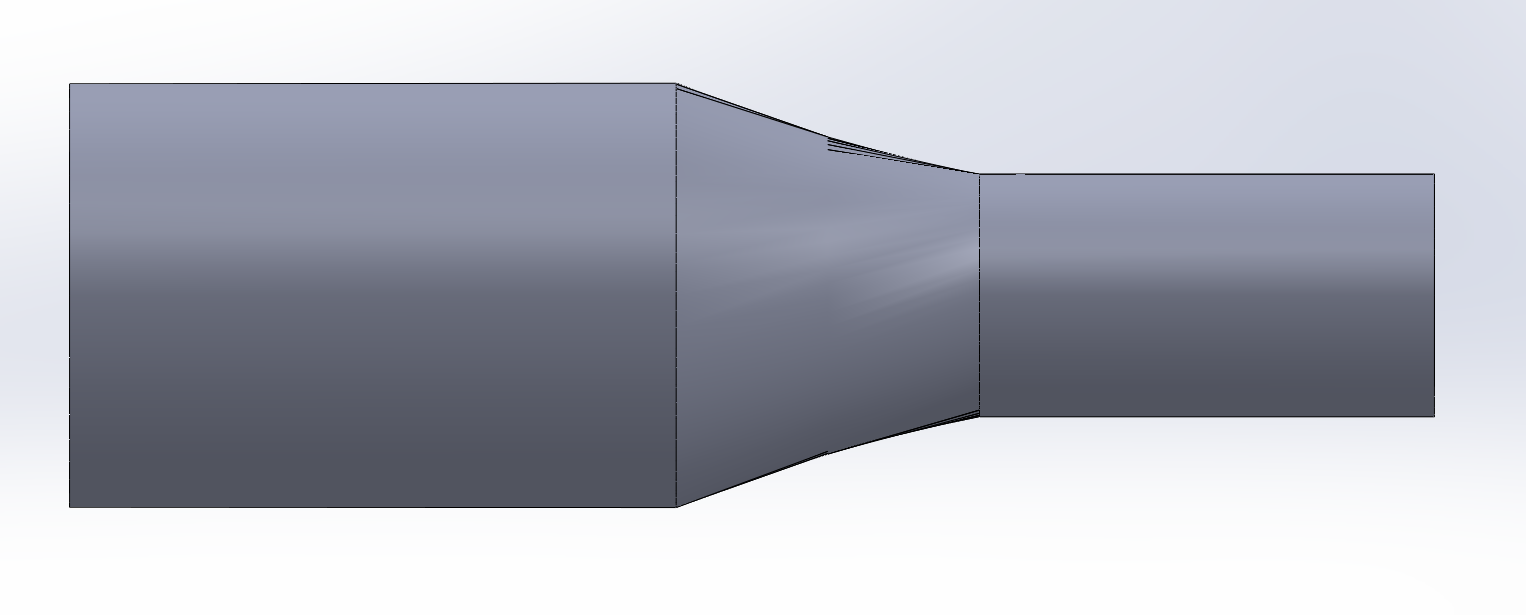 |

Set Up and Testing
With the manometer configured in tandem with the venturi and attached to the mattress pump, it should look like this.
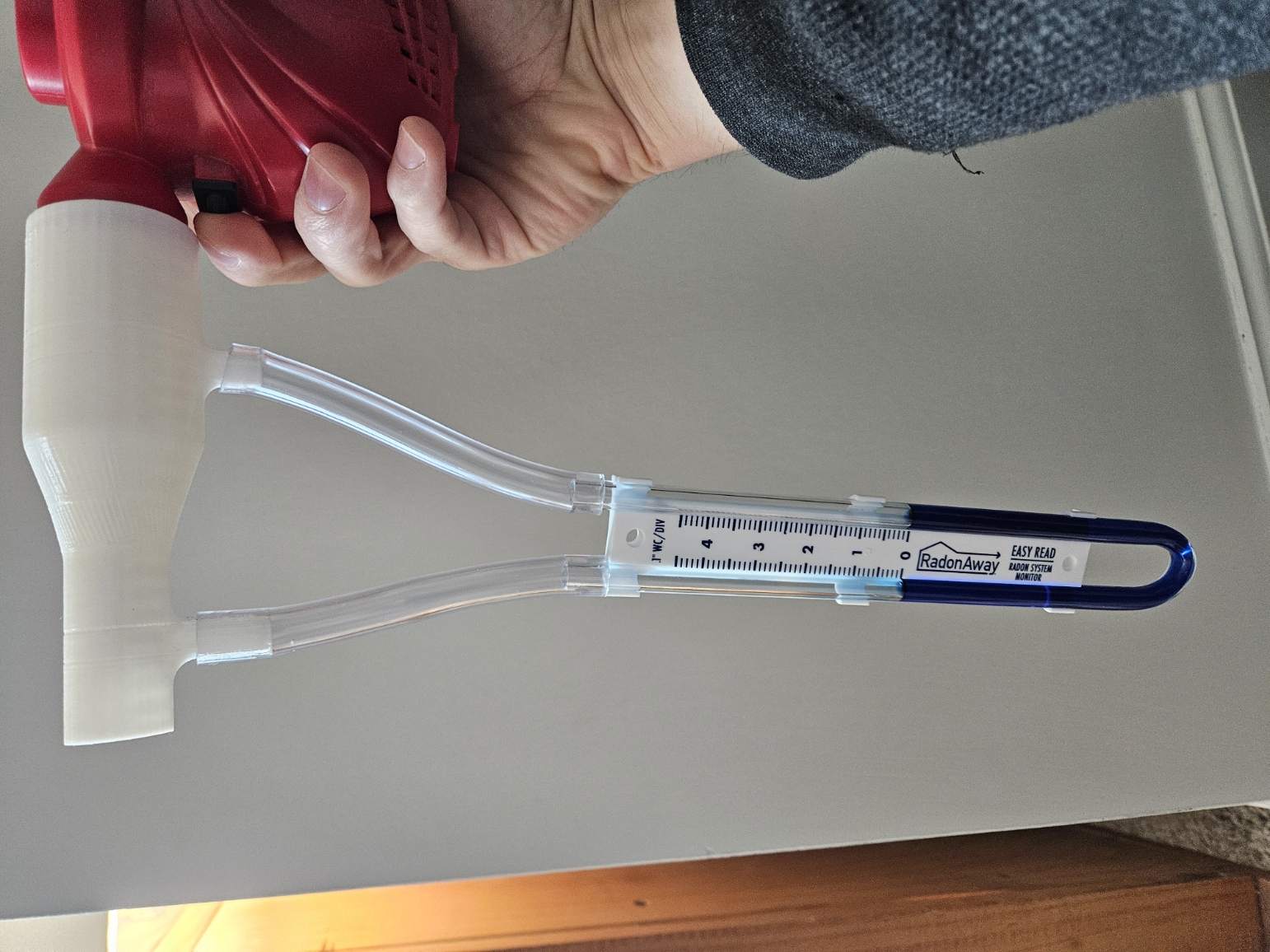
The ruler measured in inches of water column should be properly aligned with the meniscus of the glass manometer tube.
After the ruler is aligned, the pump is ready to be turned on to conduct the test.
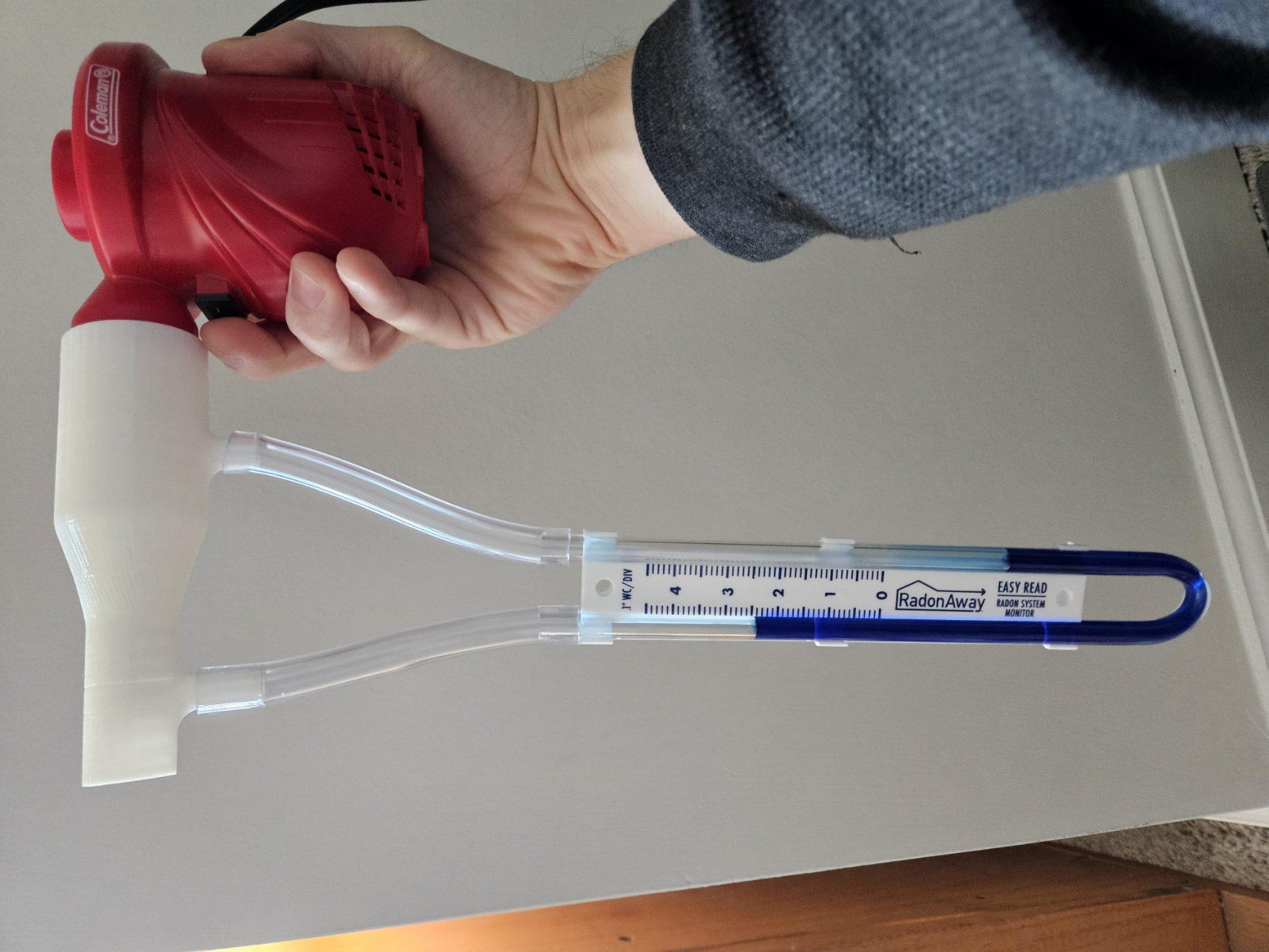
With the pump on, a measurement is able to be captured in inches of water column or centimeters from the equilibrium point.
Experimental Results
| 2:1 Venturi Tube | Measured and Calculated Result |
|---|---|
| Density of oil | 763.2 |
| Diameter of wide opening 2:1 | |
| Diameter of the narrow opening 2:1 | |
| of wide opening | |
| of narrow opening | |
| Volumetric Flow Rate | |
| Cubic feet per minute (CFM) | 12.16 CFM |
| Liters per minute | 344.3 L/min |
The change in a fluid’s pressure is related to the density of the fluid, gravity, and the height of the fluid.
Bernoulli’s Equation where is the density of air:
Volumetric flow rate equations:
Plug into Bernoulli’s Equation:
Rearrange the terms. Solve for :
in relation to volumetric flow rate:
Final equation solving for volumetric flow rate inside of a venturi tube:
Math Questions
Water is flowing through a 0.5m diameter pipe. The mass flow rate is 3 kg/s, and the outlet pipe has a diameter of 0.2m. What would be the change in pressure at the outlet of the pipe?
Answer
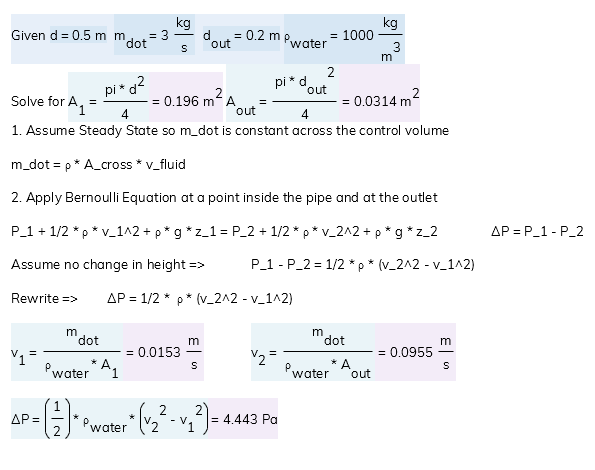
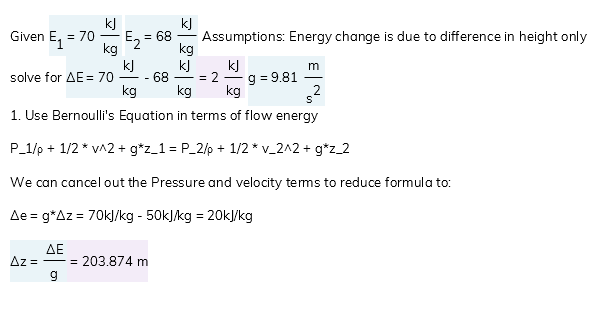
70kJ/kg of energy is at one section of the pipe, and at another point in the pipe, the energy is 68kJ/kg. Assuming the pipe diameter and pressure remain constant at both points, what is the height difference between the points?
Answer
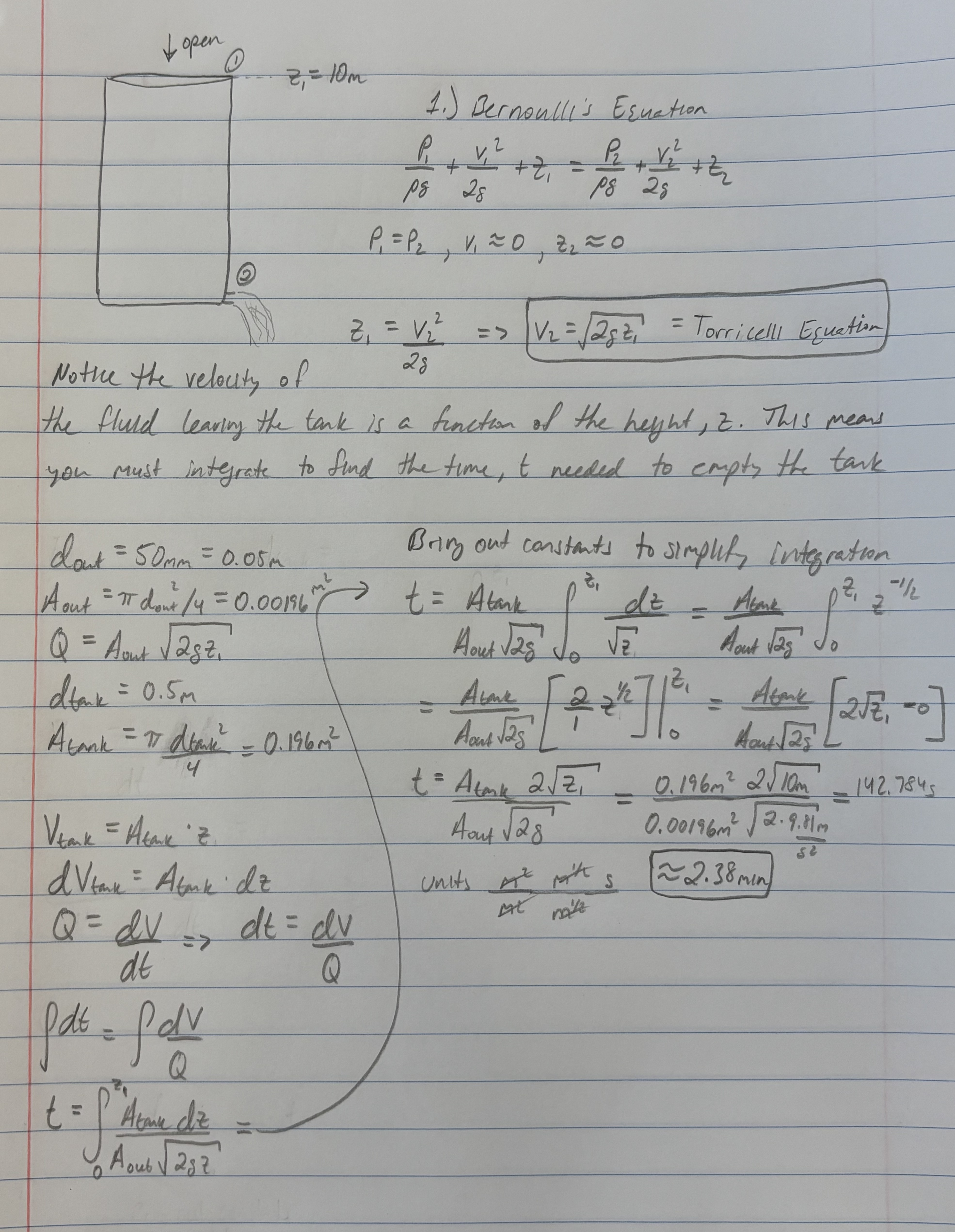
A cylindrical tank is filled 10m high with water. The diameter of the tank is 5 meters. The top of the tank is open to the air and the outlet is at the bottom of the tank. The outlet has a diameter of 50 millimeters. Derive the Torricelli equation to calculate the velocity of the outlet flow. How long will the tank take to empty?
Answer
Conceptual Questions
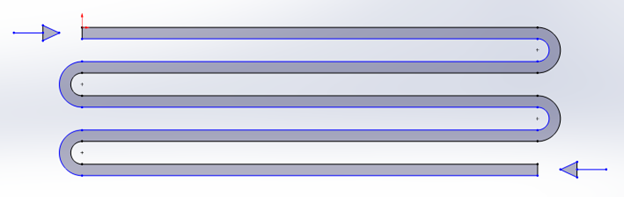
Can you apply Bernoulli’s equation to determine the pressure or velocity at a specific point in this system, if the length of the tube going in each row is 20 inches, and the diameter of the pipe is 0.25 inches? Why or why not?
Answer
You cannot apply Bernoulli’s Equation to this system because the length of each segment is long enough to equate to a significant loss of energy due to frictional forces, which would make Bernoulli’s equation inaccurate in this problem.
Why can’t we use Bernoulli’s Equation to solve for pressures or velocities in a system with a work output?
Answer
If there is a work output, that would be a change in energy which would violate the assumption of conservation of energy.
How does an airplane wing generate lift?
Answer
An airplane wing generates lift by having an airfoil that allows air on the bottom of the wing to travel slower than the top. Faster fluid velocity on the top of the wing causes the pressure to decrease which pulls the wing up or creates lift.
Conclusion
This experiment’s main purpose is to clearly demonstrate the change in pressure and velocity while a fluid is traveling through a venturi. This is easily visualized through the glass manometer tube while the air mattress pump is running. We were able to figure out the volumetric flow rate of an air mattress pump using Bernoulli’s equation, a 3D printer, manometer and 5/16 ID tubing.
References
[1] Airfoils and aerodynamics - a basic overview | flite test. Flite Test. (n.d.). https://
[2] File:Lotus Modell 79 Wing-profile.svg. Wikimedia Commons. (n.d.). https://
[3] January 29, 1700: Birth of Daniel Bernoulli | american physical society. (n.d.). https://
[4] Radon Testing & Removal Near You. Radon Removal. (2024, May 28). https://
[5] 42. Daniel Bernoulli. SAPAVIVA. (n.d.). https://